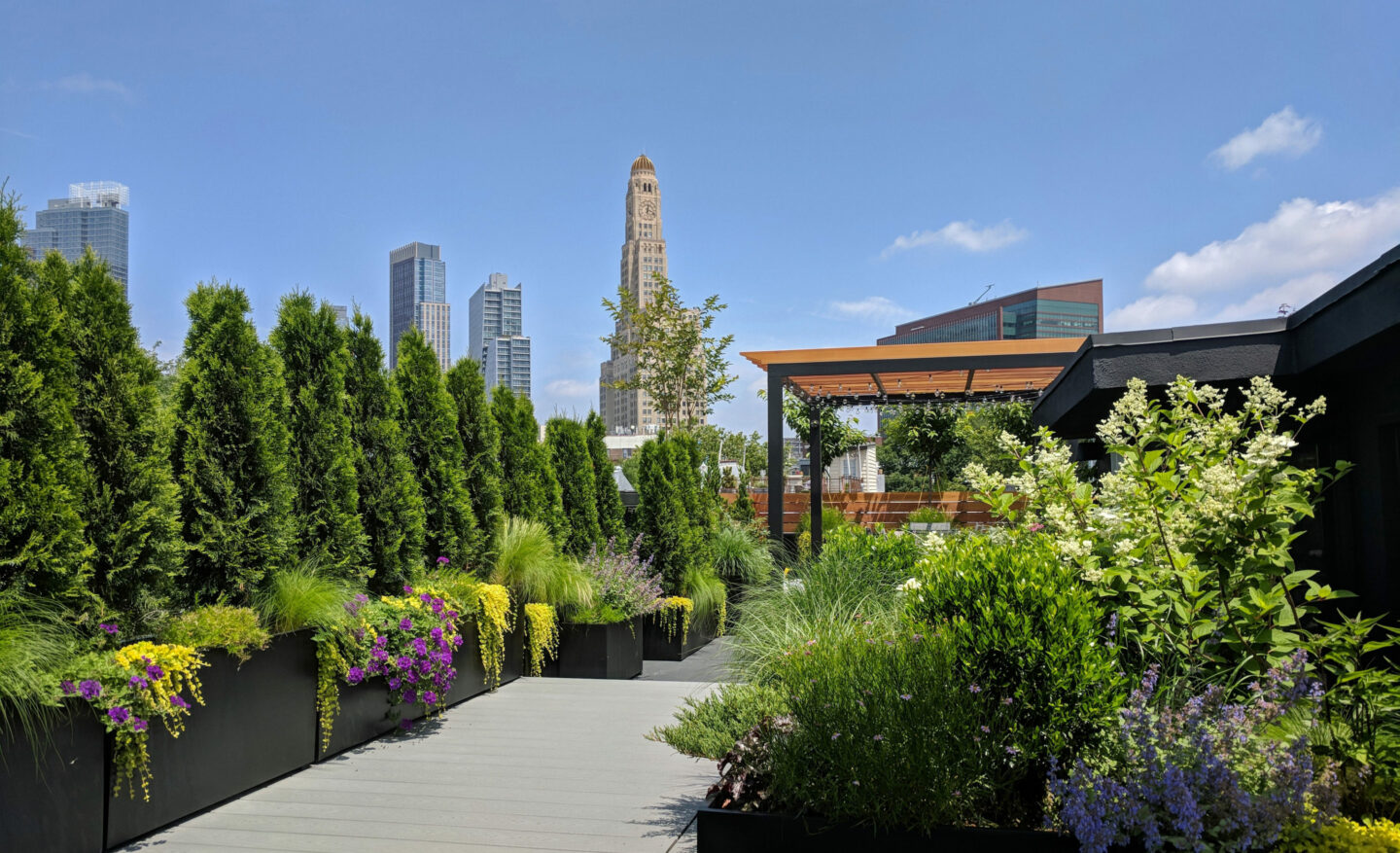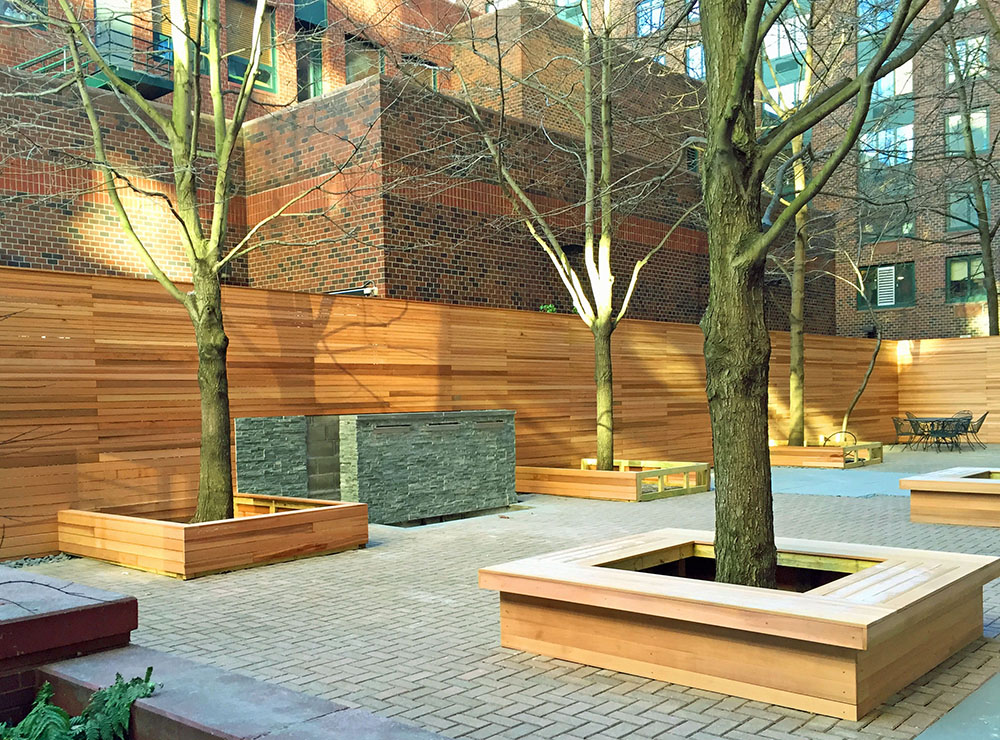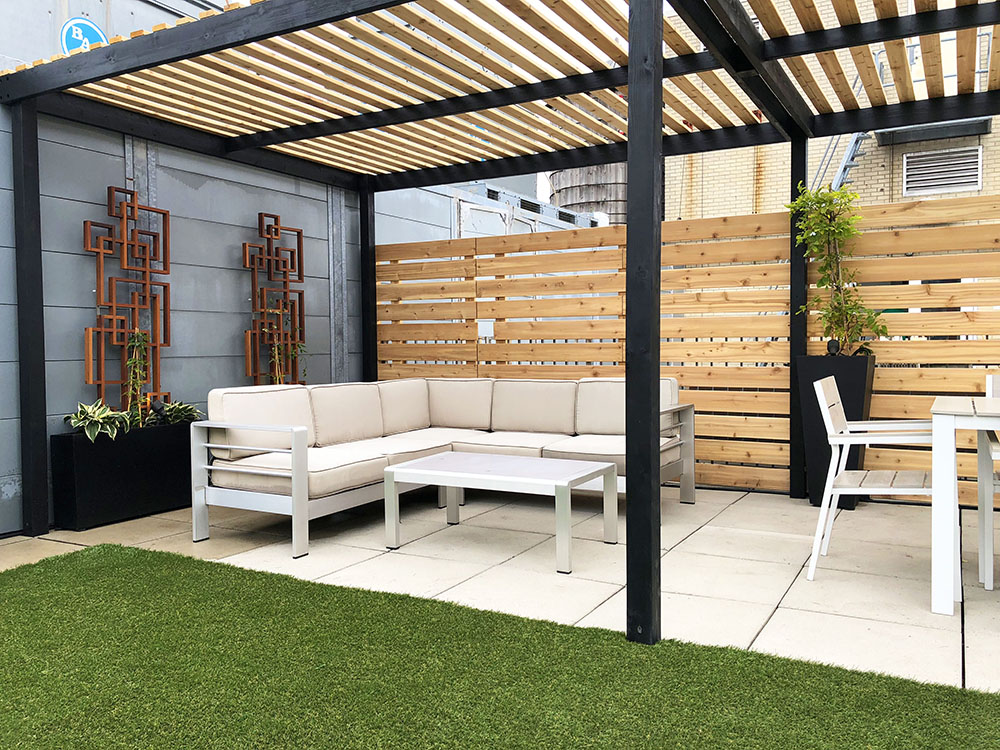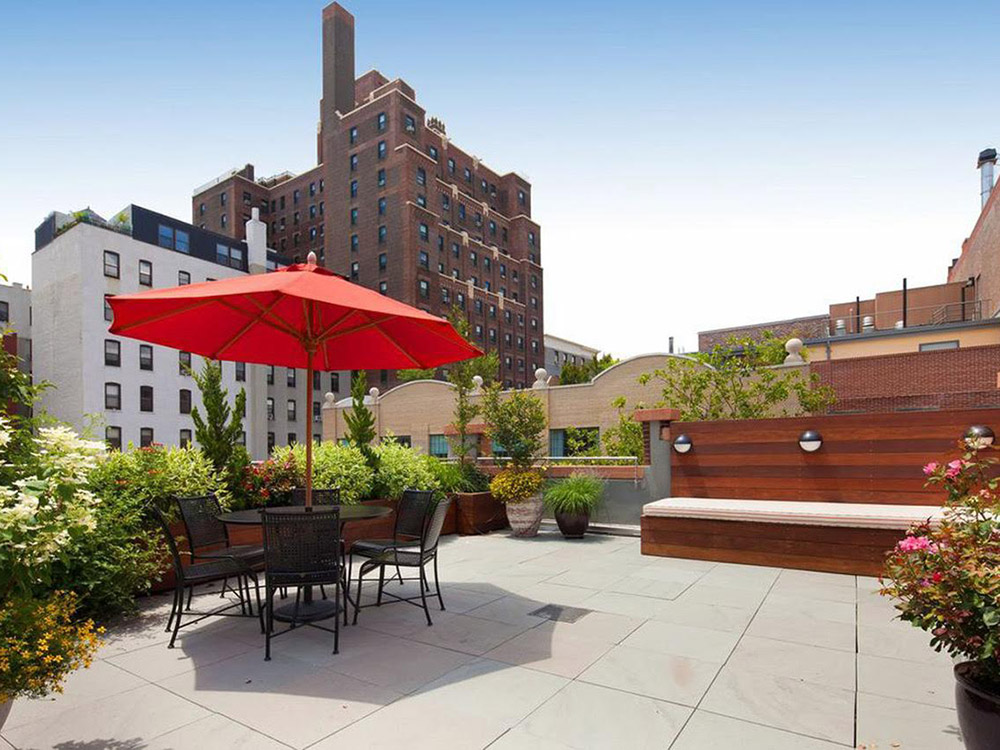
Rooftops have become very trendy as of late, but they’ve been around since some of our earliest civilizations. The first known roof gardens were the ziggurats of ancient Mesopotamia. Massive stone structures built between 4,000 – 600 BC, they took the shape of stepped pyramids with no interior rooms. They provided cool and shady places with trees and flowers on each terrace, used to escape the heat and socialize. The most famous ones were the famed Hanging Gardens of Babylon, the existence of which are only supported by classical writings based on oral histories; no archeological proof has ever been found. But, the famed gardens are one of the Seven Wonders of the Ancient World. 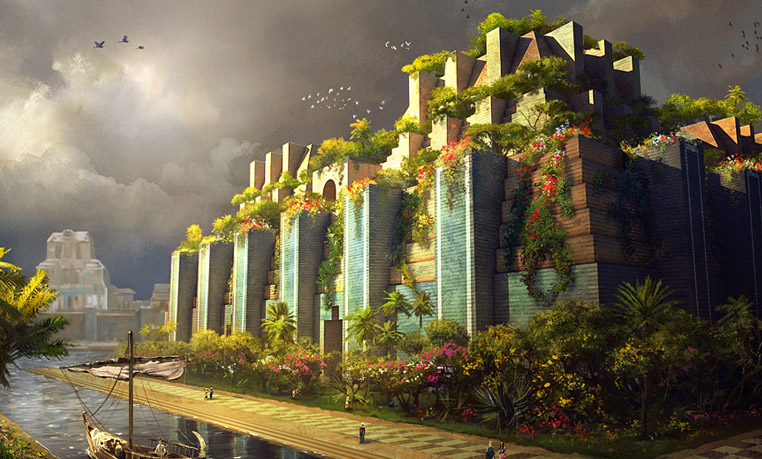 The next recorded roof gardens were in Pompeii. The eruption of Mt. Vesuvius captured these roof gardens, which were an extension of the living room; a place to socialize and dine away from the heat. The best-preserved one was found in the Villa of Mysteries, which had a U-shaped terraced arcade where plants were grown directly in the soil on the roof. Fast-forward to The Renaissance, with the Italian’s symmetrical and orderly designed roof gardens setting themselves apart from their predecessors. The oldest and best-preserved roof garden is located in the town of Pienza in Sienna, Italy. In 1463, Pope Pious II commissioned Bernardo Rossellino to design a palazzo for his personal summer residence complete with a roof garden filled with sculpted trees and manicured parterres.
Roof gardens gained popularity in modern times in the late 1800s in New York. Prior to the advent of air-conditioning, roof gardens provided a space for people to gather comfortably in the hot New York summers. The first roof garden in New York City was built on the Casino Theatre at 39th and Broadway in 1882. The trend caught on, and the competition for the best garden in New York began. There was the massive rooftop garden at Madison Square Garden (the reason that we still call it “Garden”), which spanned the entire block between Madison and Fourth Avenue and was large enough to accommodate 4,000 people. These gardens were more for show than for anything else.
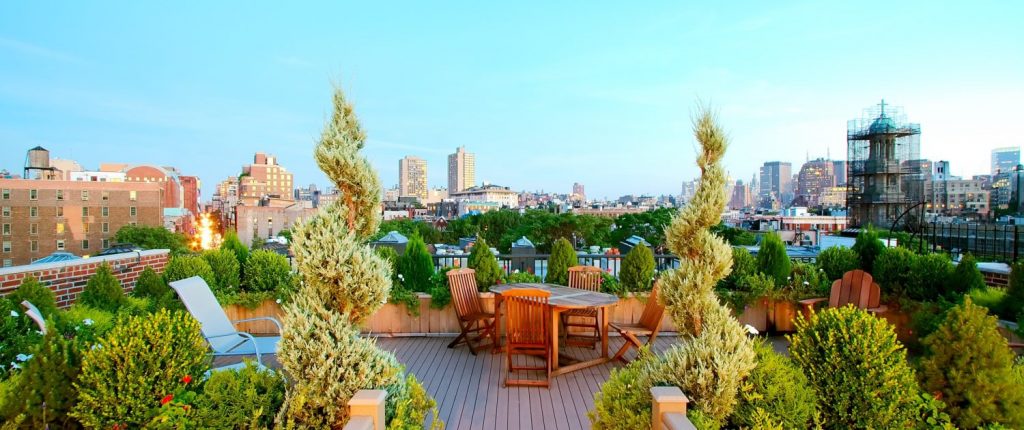
Roof gardens are coming back into style. Architects and garden designers ranging from Le Corbusier to Frank Lloyd Wright to Brazilian Roberto Burle Marx embraced the idea of the roof garden. The famous Kensington Roof Garden, completed in 1938 atop a department store building in London, is again open to the public after a period of neglect. But, more and more roof gardens have begun popping up, not just for their beauty, but for their positive impacts. They improve water quality by filtering rainwater before it joins local rivers and water bodies. Green roofs also capture excess water during heavy storms, helping to prevent sewer systems from overflowing. Plants also help with climate and air quality by filtering oxygen and absorbing greenhouse and noxious gases, which is especially needed in places with lots of roofs (the more people, the more likely there are to be cars, etc). They provide homes and wildlife corridors for migratory species and are amazingly beneficial to bees who reside in cities. They help reduce the Heat Island Effect, where urban environments tend to be warmer than surrounding areas because paved areas preventing cooling evaporation and dark surfaces (like asphalt) absorbing solar heat. Recognizing these benefits, the City of New York and New York State passed legislation in 2008 to provide a one-year tax abatement, or tax relief, of $4.50 per square foot (up to $100,000 or the building’s tax liability, whichever is less).
The health benefits of roof gardens, specifically, are astounding. Green roofs assist in dampening noise. The multifaceted surfaces of plants and porous nature of the material help to both deflect and absorb noise, not only of the city, but they can also assist in dampening rooftop mechanical equipment. Green roofs have very good noise attenuation, especially for low frequency sounds. A green roof can reduce sound from outside by 40 decibels, while a large one can reduce sound by 46-50 decibels. Growing evidence points to many other health effects, too, potentially reducing the possibility of heart disease and stress-induced illnesses, so the noise-dampening qualities are majorly beneficial. Also, by reducing heat transfer through the building roof, green roofs can improve indoor comfort. A study in Germany in the late 1990’s showed lower numbers for sickness in study participants, due in theory to the reduced fluctuation of daily mean temperatures and by the vegetation helping cool and moisturize the in-going air near ventilation ducts. Depending on what you plant, they provide the freshest foods and herbs with the maximum health benefits. Also, relating back to last week’s article on forest bathing, all of those beneficial effects translate to roof gardens! They provide a beautiful space in which to observe nature.
Whether to escape the heat, socialize with friends in a beautiful space, help the environment, reduce stress, or to get a tax break, roof gardens are a wonderful addition to any home, business or community.
Sources:
https://www.greenroofs.org/index.php/about/greenroofbenefits
https://www.epa.gov/heat-islands/using-green-roofs-reduce-heat-islands
https://livingroofs.org/health/
https://cooper.edu/isd/projects/green-nyc/green-roofs
https://ehp.niehs.nih.gov/1307272/
https://food52.com/blog/12407-from-babylon-to-brooklyn-the-history-of-rooftop-gardens
https://www.heathershimmin.com/a-brief-history-of-roof-gardens
https://www.gardenguides.com/131046-history-roof-garden.html